Industrial AI needs the knowledge behind the work
Why maintenance histories, quality records and operational decisions may matter to industrial AI, and how to assess their potential responsibly.
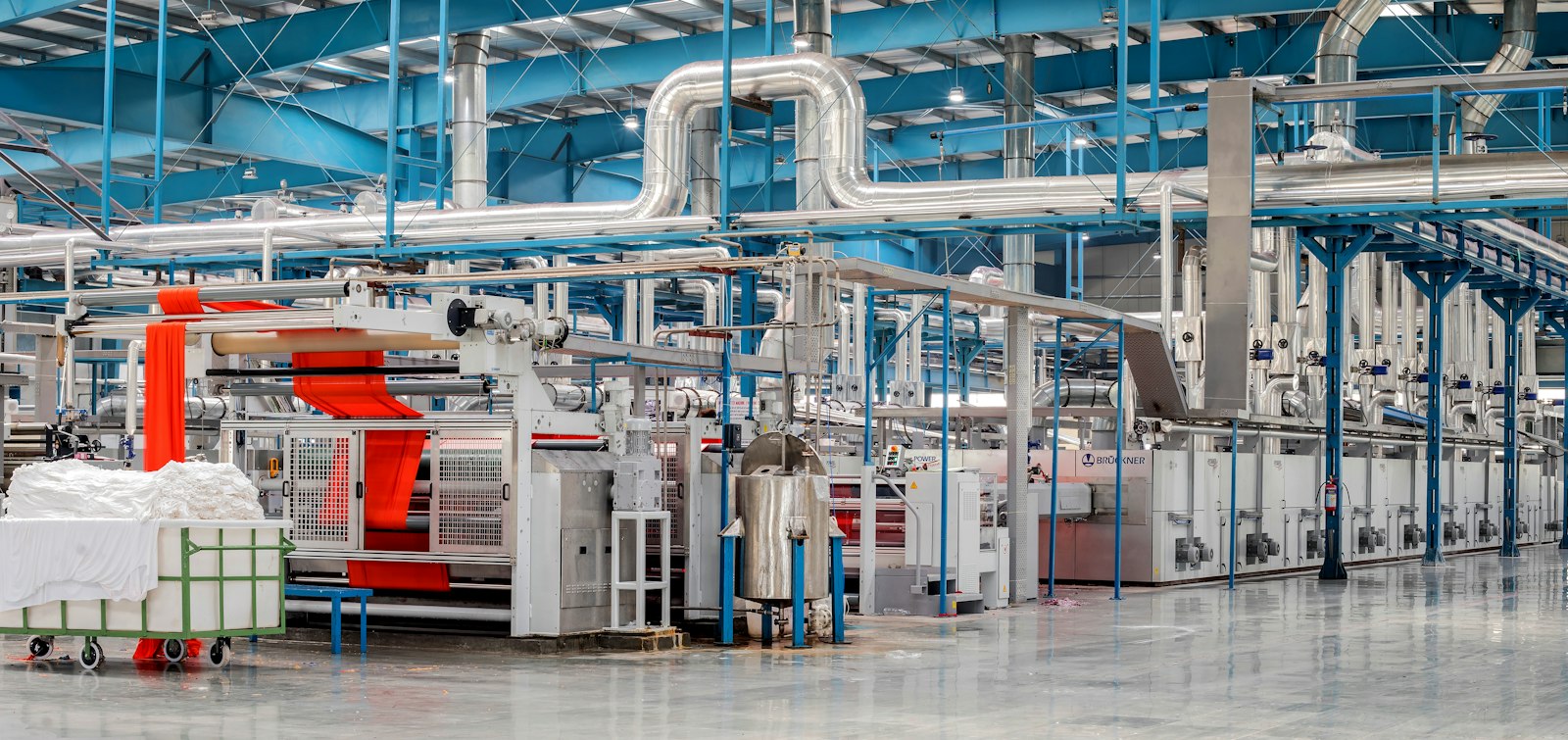
A maintenance log can look unremarkable: a fault code, a technician’s note, a replacement part and a timestamp. To someone who understands the equipment, it can describe a difficult diagnosis and the decision that restored production. Across years of operations, those records preserve practical knowledge that rarely appears in a textbook.
Industrial AI is an important area of interest for Trainwell because the potential benefits reach beyond a faster office task. Better decision support could help people maintain equipment, investigate defects and manage scarce resources. Those outcomes are possibilities to test, not benefits that follow automatically from licensing a dataset.
The value is often in the relationship between records
A sensor reading describes a condition. A work order may explain the response. An inspection records what was found. A later service event may show whether the fix lasted. Connecting these records can make a history more useful than any one source in isolation.
For example, an imagined factory might want to distinguish a recurring mechanical fault from a temporary operating condition. Useful evidence could include operating load, prior maintenance, the technician’s observations and the eventual resolution. Without that context, similar readings could be interpreted as the same problem even when they require different actions.
This does not mean every industrial dataset needs every available field. It means the task should determine what context is necessary. A document search tool, a failure prediction model and a scheduling assistant require different inputs, labels and ways to test their output.
There is an established research foundation
NIST’s Nestor project was designed to help manufacturers tag maintenance work-order text. It is a concrete example of research focused on extracting structured knowledge from operational language, rather than treating free-text notes as disposable clutter.
NASA’s Prognostics Data Repository provides datasets for developing prognostic algorithms. Its collections include simulated turbofan degradation trajectories. That example also makes an important distinction: simulated data, laboratory observations and production records have different origins and should be described accurately.
These resources show why industrial data attracts serious research interest. They do not establish that any particular company archive will improve an AI system. A commercial dataset must still be assessed for its fit, quality, permissions and relevance to the intended operating environment.
What a useful industrial dataset could include
Depending on the project, relevant material might include maintenance histories, inspection findings, approved procedures, nonconformance reports, production exceptions or logistics records. The useful unit might be a complete event rather than a single document: the condition, investigation, intervention and subsequent result.
Documentation should explain equipment categories, units, dates, missing fields and changes in how information was recorded. A software migration can alter a field’s meaning. A new maintenance policy can change which events appear in the archive. These details influence what conclusions a buyer can reasonably draw.
Expert review matters. An abbreviation understood by one shift may confuse an outside researcher. A completed work order may indicate administrative closure rather than a verified repair. Converting records into dependable examples can require questions to the people who understand the work.
Progress should be measured where it matters
A compelling future is one in which operators can find relevant experience faster and make better-informed decisions. A maintenance assistant might surface an applicable procedure. A quality tool might help prioritize investigation. A planning system might expose a scheduling conflict before it causes disruption.
Each idea needs a specific test. Does the assistant retrieve the correct procedure version? Does it flag uncertainty? How often does it suggest an unsuitable action? What happens with unfamiliar equipment? Industrial settings can impose physical consequences, so a convincing demonstration is only one step toward operational use.
NIST’s research on maintenance technology implementation describes augmenting human expertise with sensing and decision support. That is a useful frame for Trainwell’s ambition: making practical knowledge easier to apply while retaining appropriate expert judgment.
A focused starting point
A company exploring an industrial data partnership can begin with a description of its records, their coverage and how outcomes are captured. A buyer can begin with a precise capability to improve or evaluate. Neither conversation requires exposing plant credentials, sensitive layouts or raw employee records.
Trainwell aims to help those conversations become specific enough to assess. The broader opportunity is to make accumulated operational knowledge more useful to AI research and development. Meaningful advancement will come from demonstrating improvements in a defined setting, then learning carefully where those improvements do and do not transfer.
Put the thesis into practice.
Explore contributing business knowledge or discuss a dataset for your AI project.
Explore contributing data →Discuss data requirements →